Food Processing Industry
Gaya district, located in southern Bihar, is primarily an agriculture-driven region with a strong foundation in crop production. The availability of key agricultural produce such as rice, wheat, maize, pulses, and vegetables creates a solid base for the development of agro and food processing industries. While the sector is currently at a nascent stage, it offers significant untapped potential for value addition, storage, and supply chain enhancement.
- Key Crops: Rice, wheat, maize, pulses, and vegetables
- Existing Infrastructure: Small-scale rice mills and local processing units, largely unorganized
- Value Addition Opportunities: Processing of grains, fruits, vegetables, and limited dairy products
- Agriculture-Based Economy: Large rural workforce engaged in farming and allied activities
- Infrastructure Potential: Strong need for cold storage, warehousing, and modern food processing facilities
- MSME & Startup Scope: High potential for agro-based enterprises and local entrepreneurship
The Agro & Food Processing sector in Gaya presents a compelling opportunity for investors and enterprises to develop modern infrastructure, strengthen farm-to-market linkages, and unlock value from the region's agricultural strengths.
Furniture
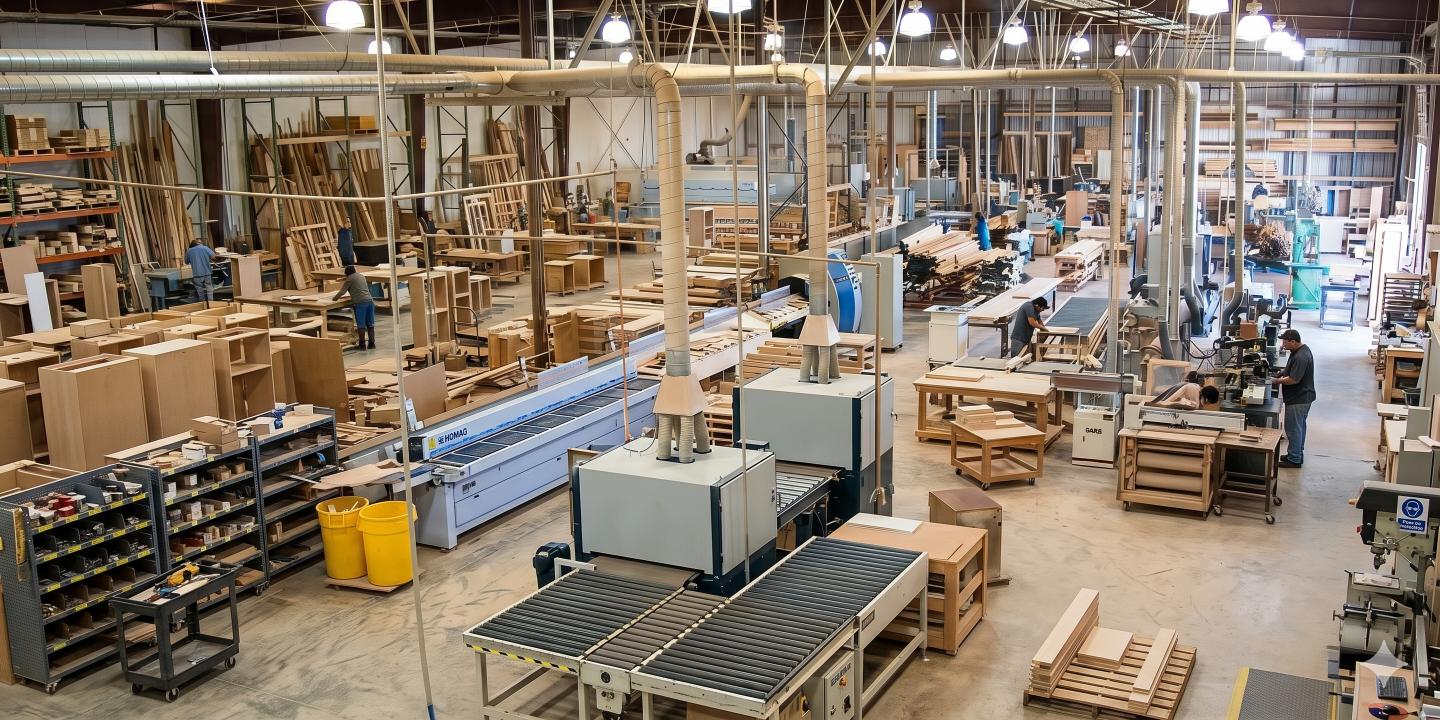
Gaya district, located in southern Bihar, offers strong potential for the development of the furniture industry, supported by availability of raw materials, traditional woodworking skills, and rising demand from residential, commercial, and institutional segments. The sector is gradually transitioning from small carpentry units to organized manufacturing and modular furniture solutions.
- Key Products: Wooden furniture, modular furniture, office furnishings, school/institutional furniture, and home décor items
- Current Landscape: Predominantly unorganized, with local carpenters and small workshops catering to regional demand
- Skill Base: Skilled artisans in carpentry, polishing, and custom furniture making
- MSME & Startup Scope: High potential for furniture manufacturing units, customization workshops, and online furniture retail
- Demand Drivers: Growth in housing, urbanization, commercial spaces, educational institutions, and hospitality sector
- Raw Material Access: Availability of timber substitutes like plywood, MDF, laminates, and engineered wood from nearby markets
- Value Addition Opportunities: Modular furniture production, machine-based manufacturing, finishing, and branded retail
- Policy Support: Backed by MSME promotion schemes, skill development programs, and industrial growth initiatives
The Furniture sector in Gaya presents a promising opportunity for investors and enterprises to establish modern manufacturing units, enhance product quality, and cater to the growing demand for affordable and customized furniture solutions while generating local employment.
Readymade Garments & Leatherite
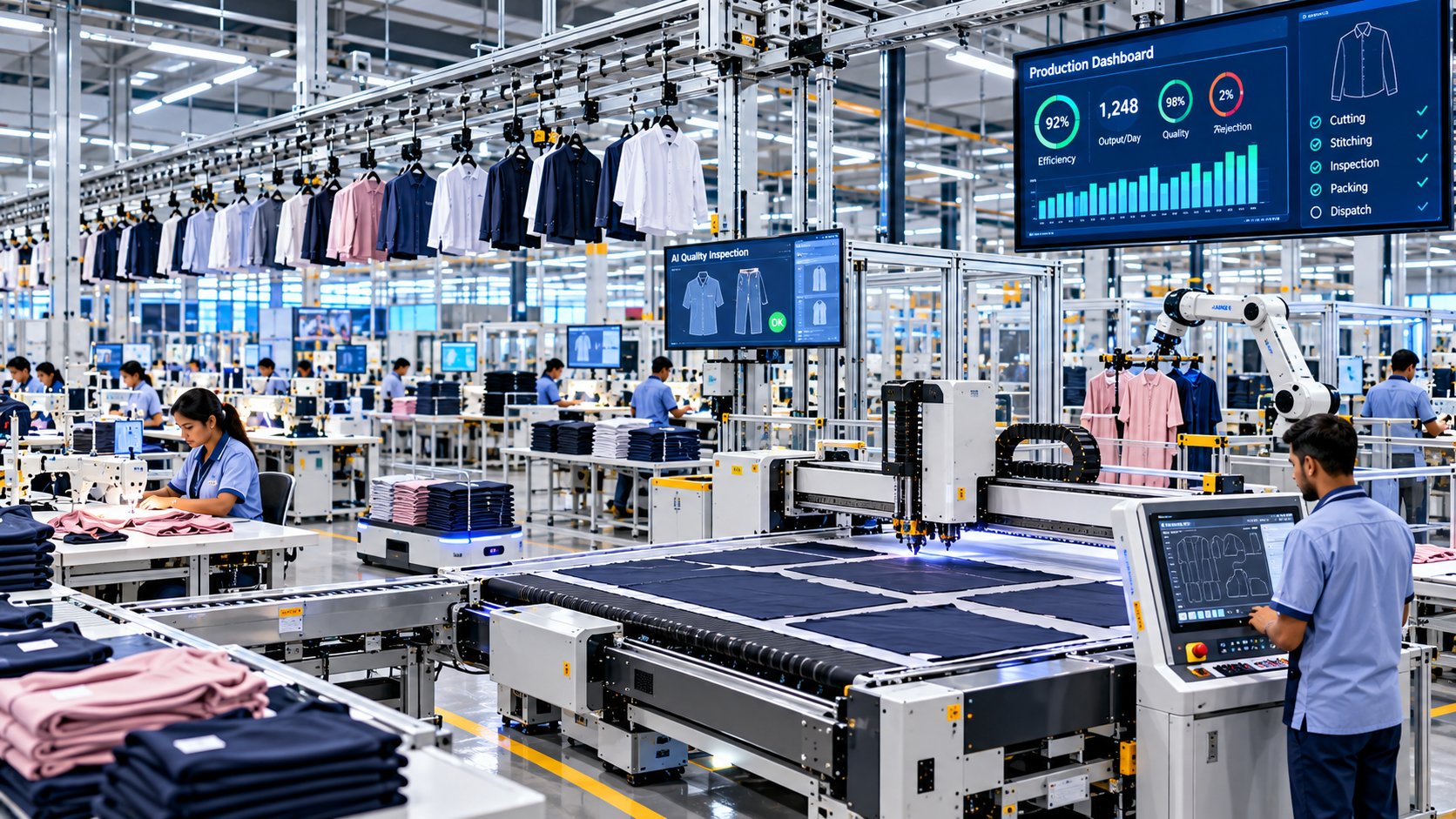
Gaya district, located in southern Bihar, is emerging as a promising destination for the readymade garments industry, supported by a large workforce, increasing demand for affordable apparel, and growing interest in decentralized manufacturing hubs. The sector offers significant opportunities across garment production, stitching units, finishing, and export-oriented manufacturing.
- Key Products: Men's, women's, and kids' wear, uniforms, knitwear, woven garments, and fashion apparel
- Current Landscape: Limited large-scale manufacturing; strong presence of small tailoring and informal units
- Skill Potential: Abundant availability of semi-skilled and trainable workforce, especially women
- MSME & Startup Scope: High potential for small and medium garment units, job-work production, and D2C brands
- Demand Drivers: Rising domestic consumption, growth of retail and e-commerce, and export demand from global markets
- Infrastructure Scope: Opportunity to develop garment clusters, stitching units, textile processing, and logistics support
- Innovation Opportunities: Fast fashion production, private label manufacturing, and sustainable clothing lines
- Policy Support: Government initiatives under textile schemes, skill development programs, and MSME incentives
The Readymade Garments sector in Gaya presents a high-impact opportunity for investors and enterprises to establish cost-effective production units, generate large-scale employment, and integrate into national and global apparel supply chains — driving inclusive economic growth and industrial expansion.
Technical Industry Cluster
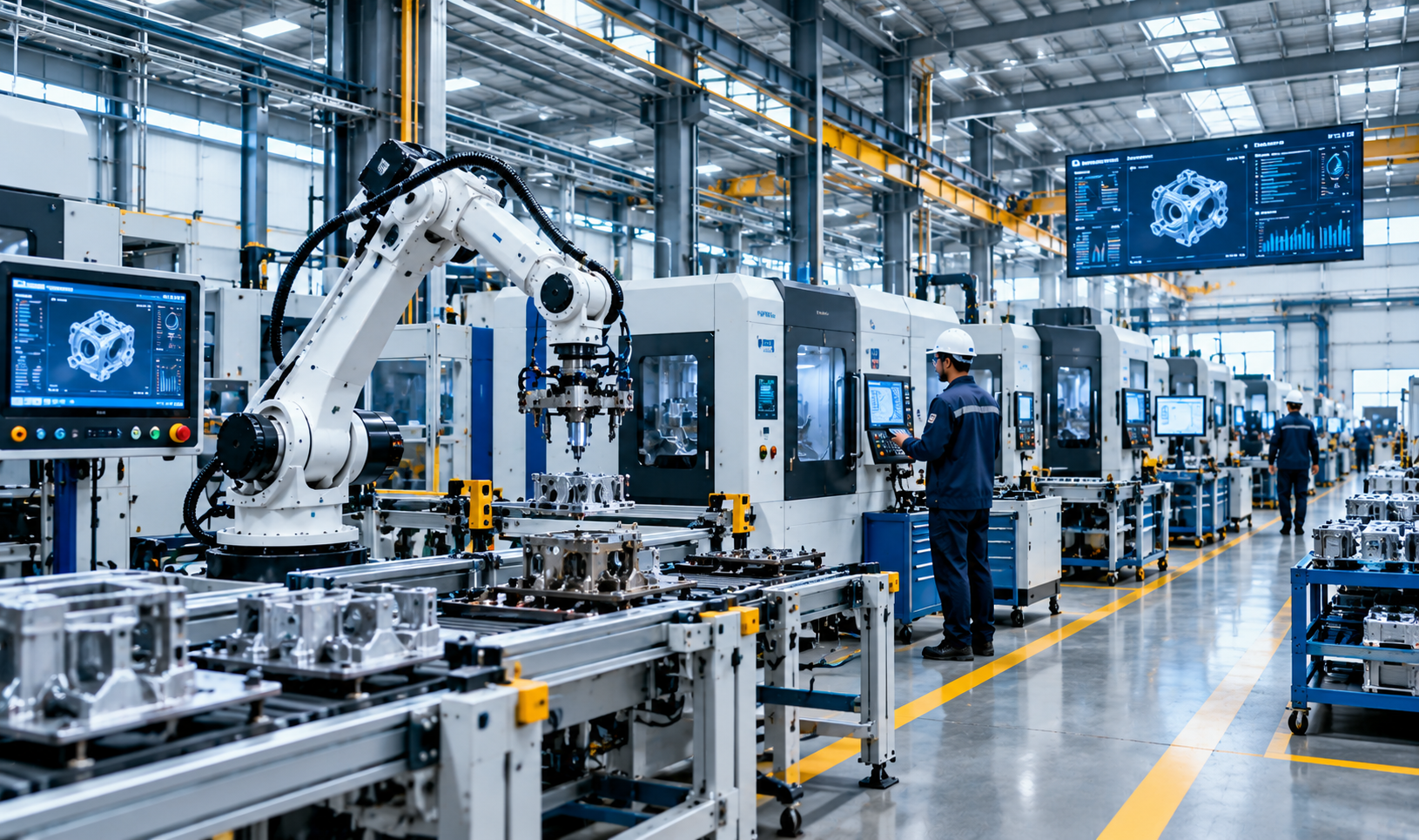
Gaya district offers opportunities to develop a modern technical and engineering industry ecosystem supported by industrial infrastructure, skilled manpower, and connectivity to regional markets. The cluster can attract advanced manufacturing units using CNC machines, industrial robotics, automated production lines, precision engineering equipment, and smart factory technologies. These facilities can encourage innovation, improve manufacturing efficiency, and create new employment opportunities.
- Advanced Manufacturing: Rice, wheat, maize, pulses, and vegetables
- Industrial Automation: Robotic arms, smart sensors, programmable control systems, and intelligent manufacturing processes.
- Key Industry Sectors: Engineering components, electronics, electrical equipment, automotive parts, and metal fabrication.
- Skilled Workforce: Opportunities to engage technical professionals, ITI graduates, polytechnic students, and engineering talent. - ✓ Smart Infrastructure: Potential for digitally monitored utilities, energy-efficient facilities, and modern industrial workspaces.
- Investment & Innovation: Scope for MSMEs, technology-driven startups, component manufacturers, and large industrial enterprises.
The Technical Industry Cluster in Gaya can support the transition towards technology-driven manufacturing by encouraging advanced machinery, modern production systems, and industrial innovation, contributing to long-term economic growth and employment generation.

Building Material
Gaya district, located in southern Bihar, presents strong potential for the building materials sector, driven by increasing infrastructure development, urban expansion, and government-led construction initiatives. The availability of key raw materials and proximity to growing markets position Gaya as a promising hub for cement, bricks, aggregates, and allied industries.
- Key Resources: Stone aggregates, sand, clay, and limestone from nearby regions. (nearby regions)
- Existing Infrastructure: Traditional brick kilns and small-scale crushing units, largely operating in the unorganized sector.
- Value Addition Opportunities: Processing of aggregates, fly ash bricks, tiles, and eco-friendly construction materials.
- Growing Demand: Rising demand driven by housing, road construction, and public infrastructure projects.
- Infrastructure Potential: Opportunities for modern cement manufacturing units, ready-mix concrete (RMC) plants, and prefabrication facilities.
- MSME & Startup Scope: Significant potential for local entrepreneurs in brick manufacturing, crushing units, and construction material supply chains.
The Building Materials sector in Gaya offers compelling opportunities for investors and enterprises to establish modern, scalable production units, strengthen supply chains, and support the region's growing infrastructure requirements. The Cement BPR can further guide investment decisions by identifying viable business opportunities and assessing the potential for sustainable industrial development.
Handloom & Handicrafts
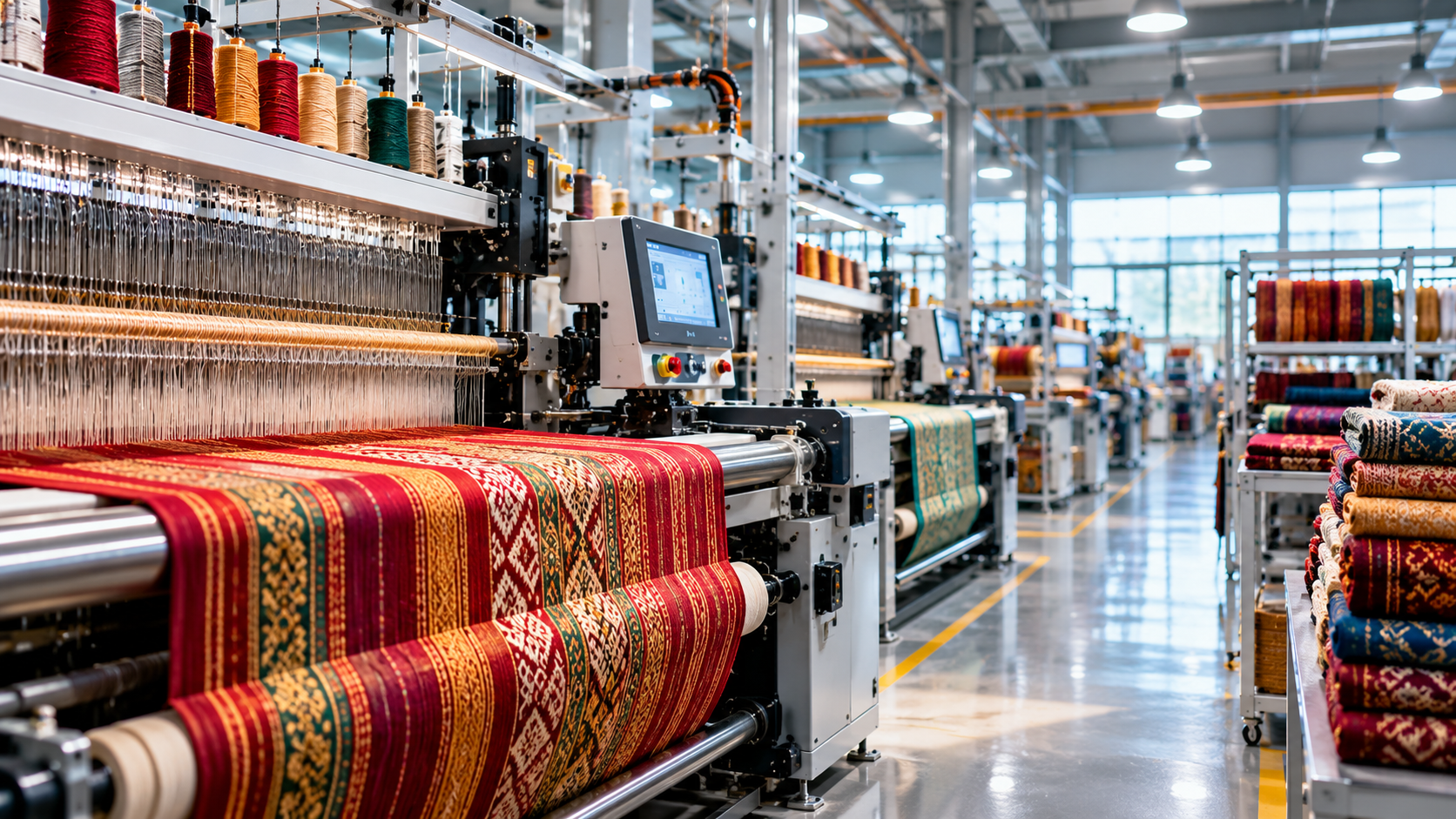
Gaya district, located in southern Bihar, presents strong potential for the development of traditional handloom and handicraft industries driven by its rich cultural heritage, skilled artisan base, and growing demand for sustainable, handmade products. The presence of local weaving traditions and craft communities positions Gaya as an emerging hub for textile-based and artisanal production.
- Key Products: Cotton handloom fabrics, traditional gamcha, embroidered textiles, handcrafted utility items, and bamboo/cane-based crafts
- Existing Infrastructure: Predominantly artisan-led, decentralized production through local weavers, SHGs, and rural clusters
- Value Addition Opportunities: Design innovation, branding, packaging, and diversification into lifestyle and décor products
- Policy Support: Supported by state and central initiatives promoting handloom clusters, skill development, and artisan welfare
- Growing Demand: Rising interest in eco-friendly, handmade, and culturally authentic products in domestic and export markets
- Skill Advantage: Availability of experienced artisans with traditional knowledge passed through generations
- MSME & Startup Scope: High potential for small-scale enterprises in weaving, craft production, and online retail integration
The Handloom & Handicrafts sector in Gaya offers a promising opportunity for investors, designers, and enterprises to build organized production ecosystems, enhance market access, and transform traditional crafts into scalable and sustainable business ventures.
Logistics
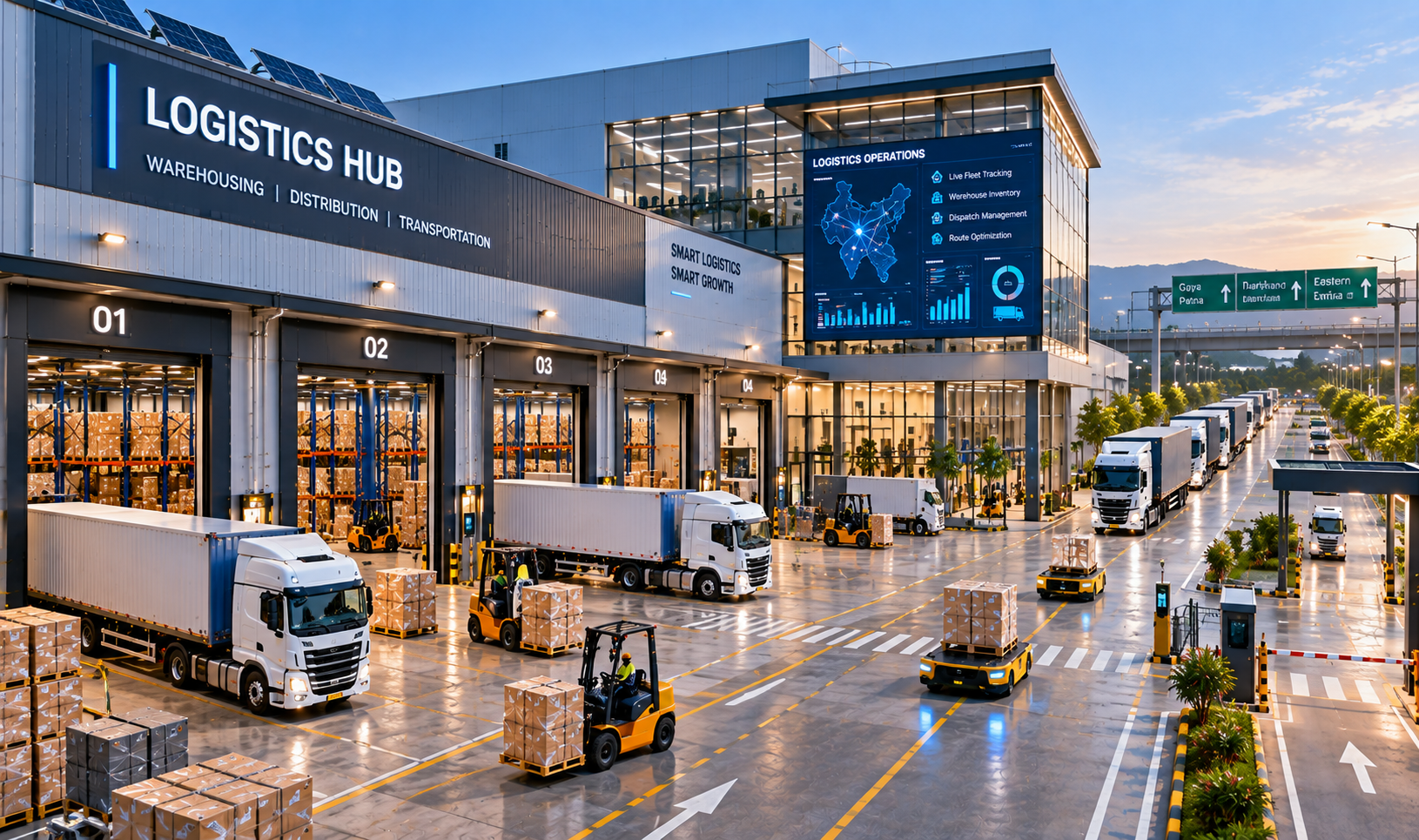
Gaya district has opportunities to strengthen its logistics ecosystem through modern warehousing, technology-enabled distribution, and efficient freight-handling infrastructure. Smart logistics facilities can integrate warehouse management systems, barcode and RFID tracking, automated conveyors, forklift operations, fleet monitoring, and digital inventory management. By improving the movement and storage of industrial goods and agricultural produce, modern logistics infrastructure can help businesses improve operational efficiency and connect with markets across Bihar and neighboring regions.
- Smart Warehousing: Modern storage facilities with organized inventory systems, digital tracking, and efficient space utilization.
- Automated Material Handling: Potential for conveyor systems, pallet-handling equipment, industrial forklifts, and automated guided vehicles.
- Digital Supply Chains: Warehouse management software, barcode and RFID scanning, and real-time inventory visibility.
- Fleet & Freight Management: Digital dispatch planning, vehicle tracking, route optimization, and coordinated transportation.
- Industrial & Agricultural Logistics: Support for manufacturing supply chains, packaged goods, agricultural produce, and distribution operations.
- Regional Market Connectivity: Opportunities to strengthen freight movement and distribution links across Bihar, Jharkhand, and Eastern India.
The Logistics sector in Gaya can help build a more connected and technology-enabled industrial ecosystem by improving warehousing, freight handling, and supply chain coordination while supporting trade, manufacturing, and regional economic development.
Common Ready Sheds
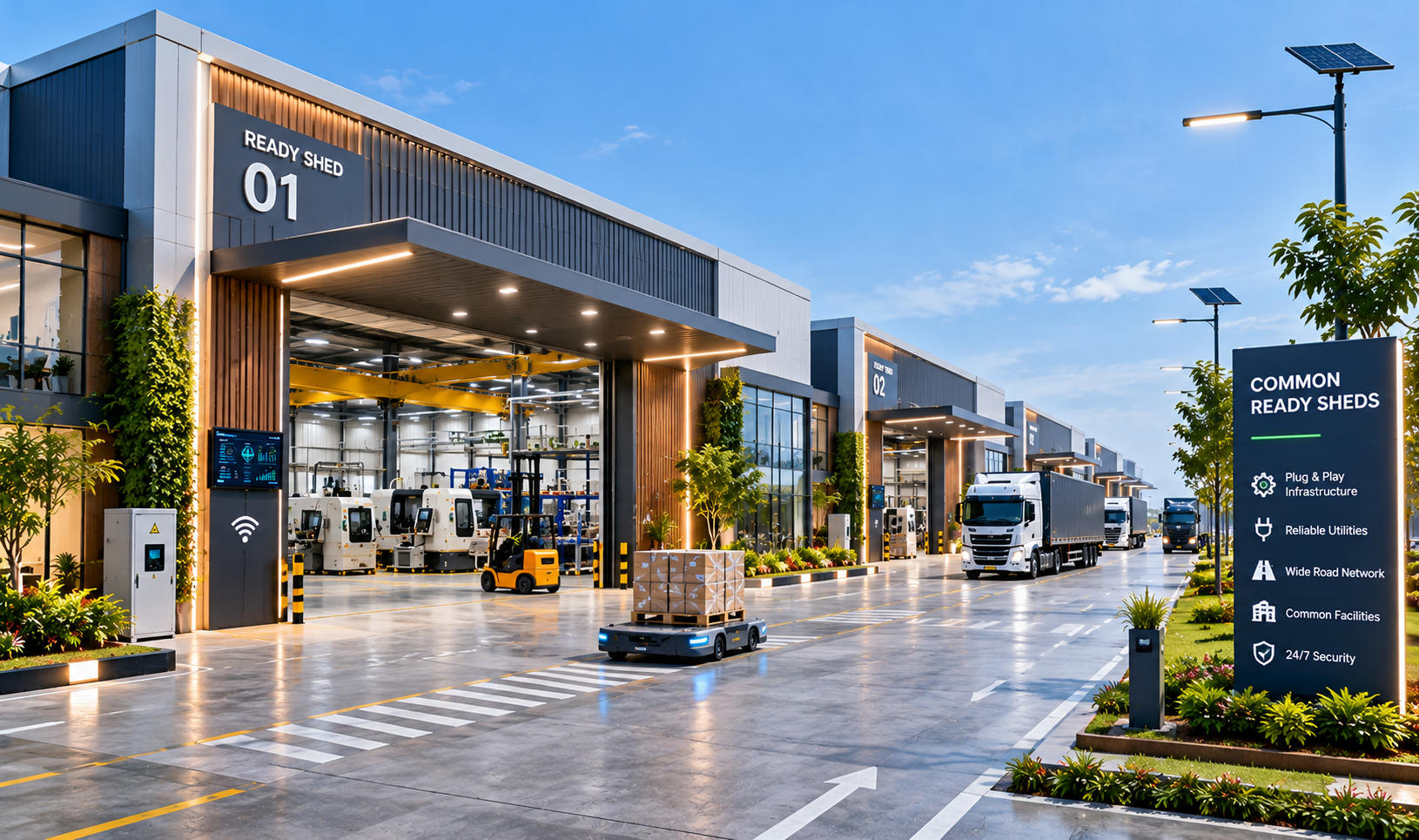
Common Ready Sheds can provide modern, ready-to-use industrial spaces for businesses seeking to establish manufacturing, assembly, packaging, and processing operations with reduced initial infrastructure requirements. Designed around plug-and-play industrial concepts, these facilities can incorporate high-bay structures, industrial power connections, efficient lighting, material-handling equipment, digital monitoring systems, and provisions for modern production machinery. Such infrastructure can help MSMEs and emerging enterprises begin operations more efficiently.
- Plug-and-Play Infrastructure: Ready-built industrial spaces designed to reduce construction time and setup complexity.
- Modern Machinery Compatibility: Space and utility provisions for CNC machines, fabrication equipment, assembly lines, and processing units.
- Smart Utility Systems: Potential for energy monitoring, efficient electrical distribution, and digitally managed facility services.
- Material Handling: Scope for overhead cranes, forklifts, industrial lifts, and organized loading and unloading areas.
- Flexible Industrial Spaces: Adaptable layouts for MSMEs, startups, component manufacturers, and light engineering businesses.
- Cost & Time Efficiency: Reduced upfront infrastructure requirements and a potentially faster path to business operations.
Common Ready Sheds in Gaya can create an accessible foundation for industrial development by combining ready-built infrastructure with provisions for modern machinery, efficient operations, and scalable manufacturing activities.